Latest News

When Paul writes to the Philippians, he is aware that his life is unfinished. He knows he still has more to accomplish. He is driven by his mission and his love for others. I know an unfinished life is not the same as an abridged one. They have in common that they are not complete, that there is more to do.

The University Senate of The United Methodist Church has approved a new Framework for United Methodist Formation, establishing a more comprehensive and flexible approach to preparing United Methodist candidates for ministry at approved non-United Methodist theological schools.

As of late September 2026, This Moment Matters has disbursed $38.6 million across 681 grants in the areas of agriculture and food security, education, health, migration, and peace.

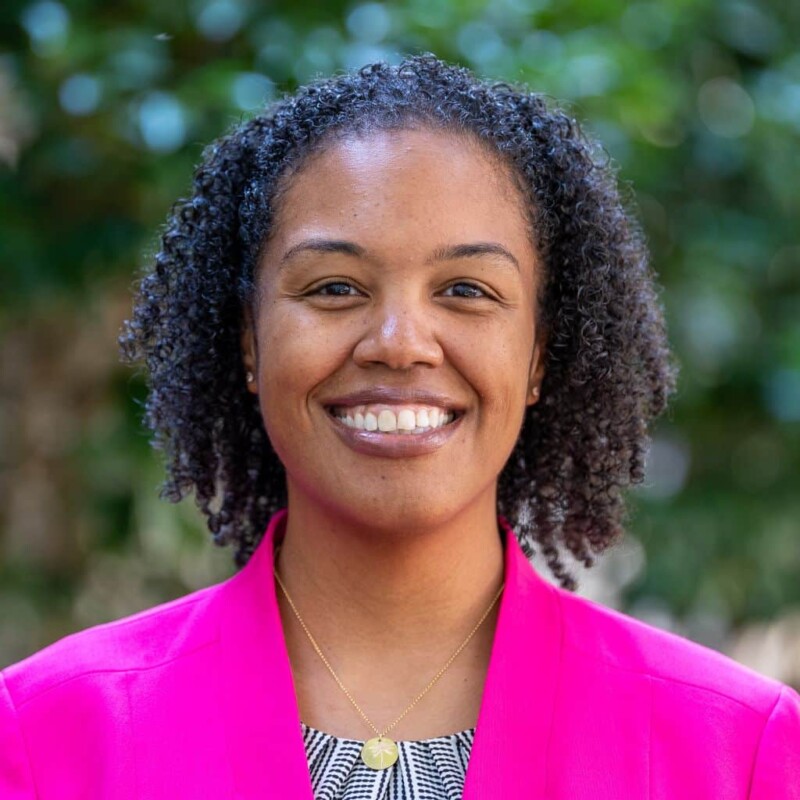
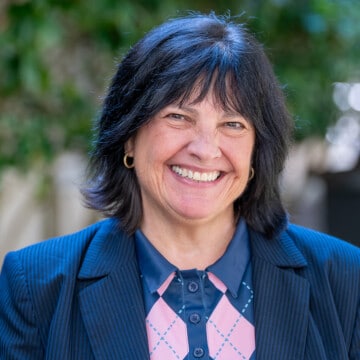
A diverse group of church leaders will help guide worship and reflection at EXPLORATION 2026, Nov. 6-8 in Orlando, Florida. Participants will hear from the Rev. Lisa Yebuah, the Rev. Dr. Ashlee Alley Crawford, Bishop Carlo A. Rapanut, and the Rev. Albarka Abbo Wakili, whose ministries span church planting, discipleship, episcopal leadership, and global mission.

When I talk to young people about peacemaking, I hear their cynicism. They’ve told me, “Why bother?” They seem to think no one is trying.

Upcoming Events
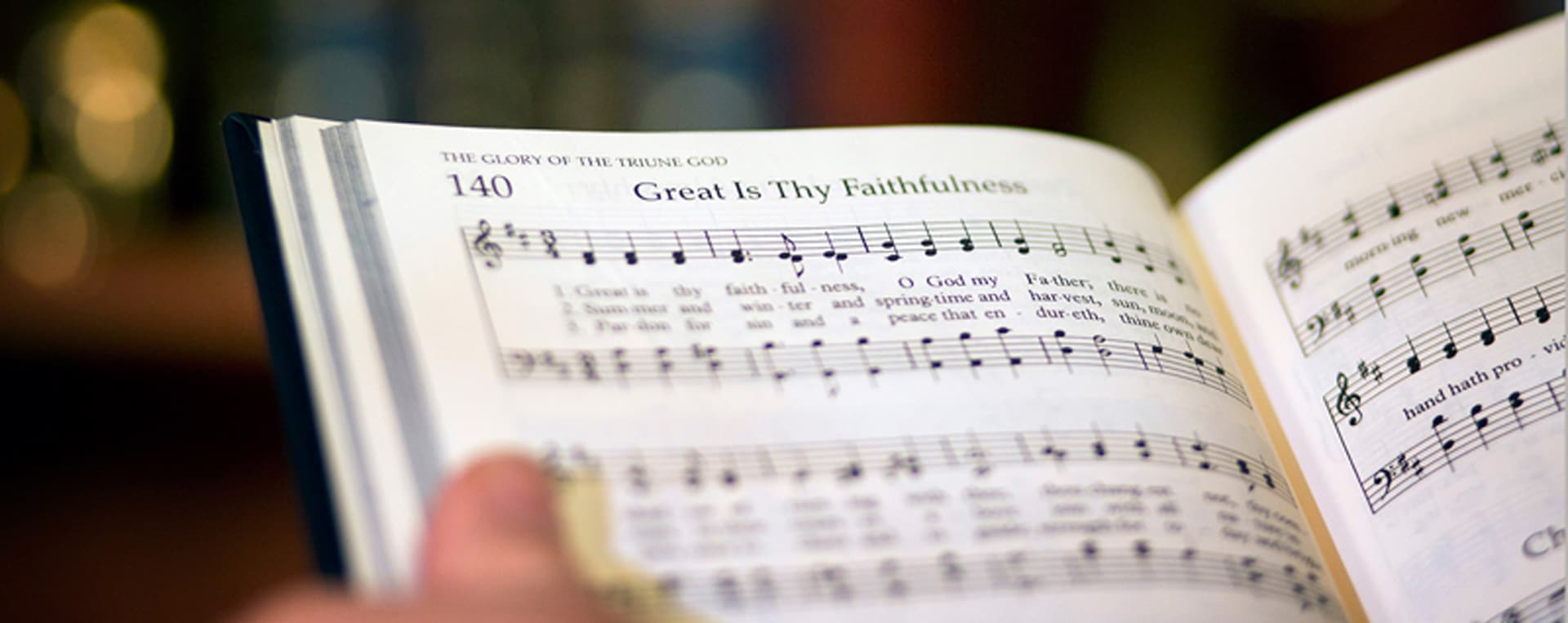
Join fellow UMEA clergy for a restorative retreat in Nashville, where we will explore how Scripture, story, and song can sustain us in ministry. Throughout the Bible, God’s people have turned to music when ordinary words could not carry the weight of grief, hope, joy, or suffering. As chaplains serving in military, healthcare, correctional, and other ministry settings, we encounter these realities every day.
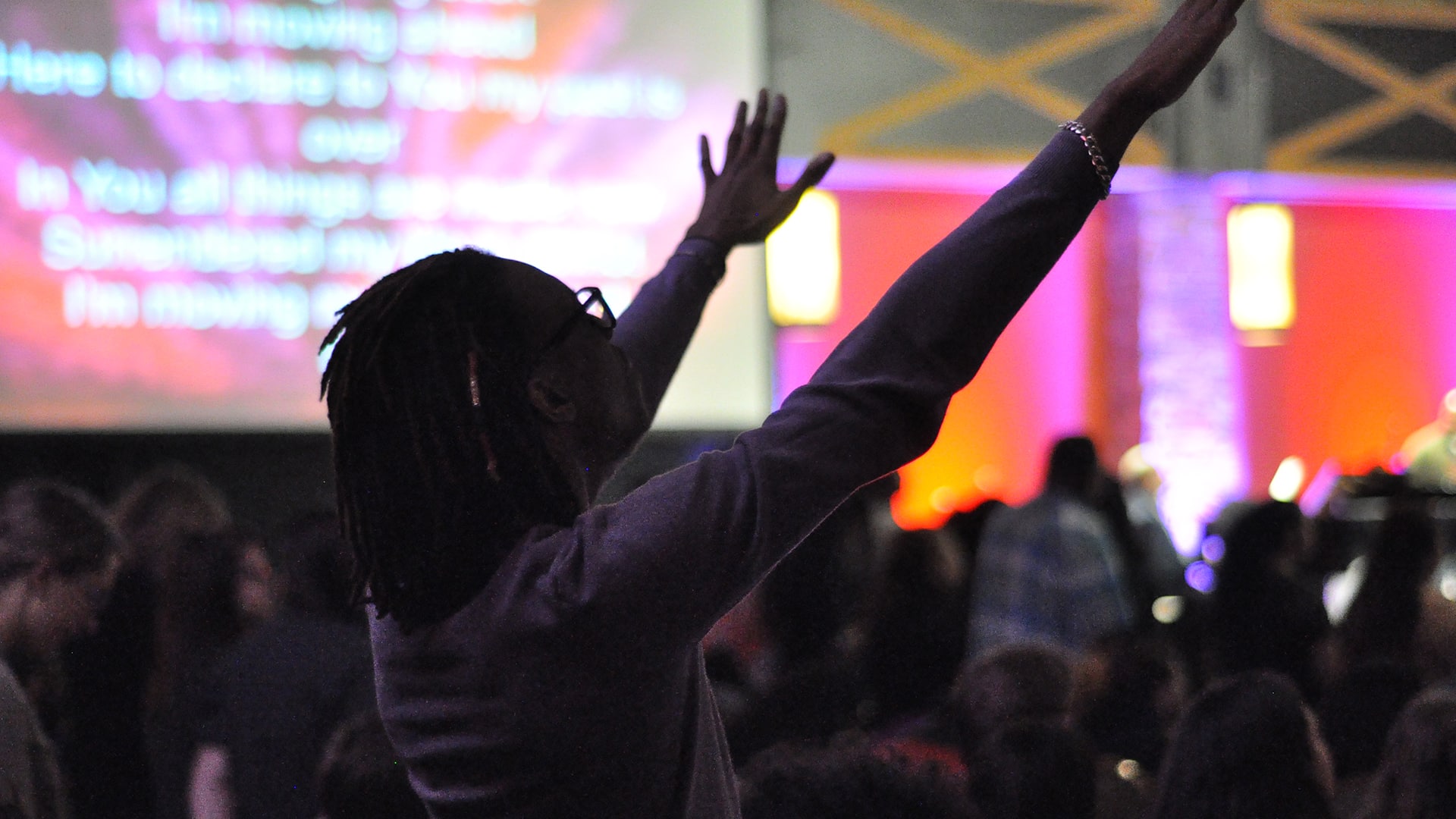
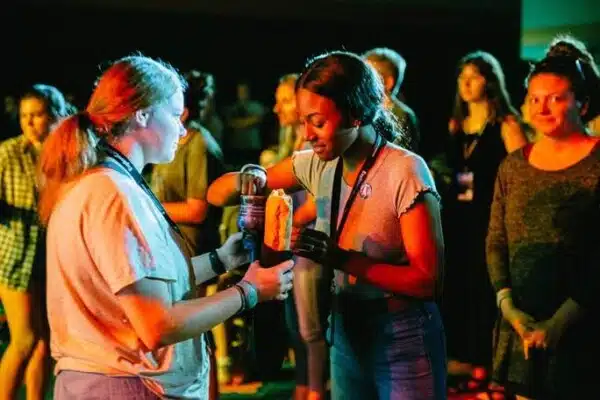
Exploration 2026 creates sacred space for adults, 18 and older, to be in meaningful fellowship, passionate worship, theological reflection and practical workshops as they discern whether God’s call on their life is to ordained ministry in The United Methodist Church and what faithful steps they can take in response.